September 10, 2026
Donald Wexler Palm Springs Homes: 2026 Buyer’s Guide
Donald Wexler Palm Springs homes in 2026: Alexander steel houses, Royal Hawaiian Estates, attribution checks, and remodel red flags for architecture buyers.
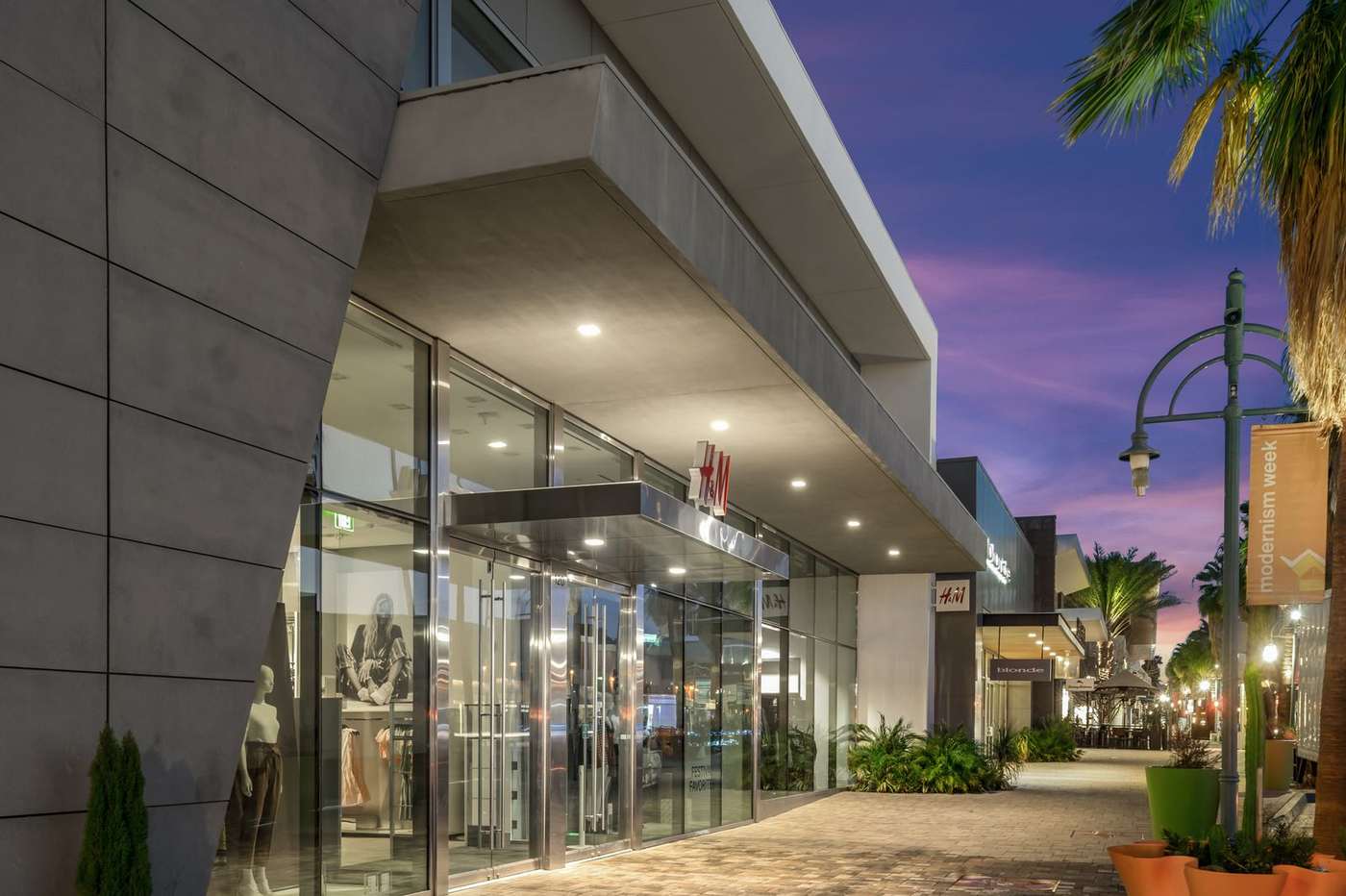
Donald Wexler is the Palm Springs steel story that still gets treated as a footnote next to Frey, Krisel, and E. Stewart Williams. That gap matters in 2026. Buyers who want documented desert modernism already have dedicated guides for those three names on this site. Wexler deserves the same underwriting brief: what he actually built that still trades, how Alexander Construction sits in the pedigree, and which remodel choices kill the architectural premium.
For the companion architect stack, start with our Albert Frey Palm Springs buyer’s guide, William Krisel Palm Springs homes guide, and E. Stewart Williams / Twin Palms architecture guide. This piece is the Wexler lane: factory steel, glass walls, and the remodel traps that erase them.
Who was Donald Wexler, and why do Palm Springs buyers care?
Donald Allan Wexler (1926-2015) trained at the University of Minnesota, worked in Richard Neutra’s Los Angeles office, then came to the desert for William Cody before forming Wexler & Harrison with Richard Harrison in 1952. After 1961 he practiced as Donald A. Wexler Associates. Palm Springs Modern Committee and Palm Springs Art Museum records place him at the center of light-gauge steel construction here: schools, civic work, and a thin but famous residential steel line.
Buyers care because verified Wexler attribution is scarce. “Steel house,” “Alexander steel,” “Royal Hawaiian,” and “Dinah Shore residence” are documentable product labels. “Wexler-inspired” is not the same asset class. Treat the name like a title claim: plans, permits, Historic Site files, or confirmation from the Palm Springs Preservation Foundation or Palm Springs Modern Committee before you pay for the story.
What still trades: steel houses, Royal Hawaiian, and custom commissions?
The Alexander Steel Development Houses are the rarest residential product in the Wexler stack. In 1960-62, George and Robert Alexander’s Alexander Construction Company commissioned Wexler & Harrison, working with Calcor and engineer Bernard Perlin, for a planned steel subdivision at the north edge of Palm Springs in Racquet Club Estates. Rising steel costs stopped the run after seven houses on East Molino Road and North Sunnyview Drive. PCAD and Palm Springs Modern Committee notes list those addresses as the completed set. All seven carry City of Palm Springs Class 1 Historic Site designation (2001). One, 3125 North Sunny View Drive, is also listed on the National Register of Historic Places. Roughly 1,400 square feet of steel frame and floor-to-ceiling glass, assembled after a concrete slab cured, is the product. There is no leftover catalog of identical unbuilt plans waiting on MLS.
Royal Hawaiian Estates (1960), also Wexler & Harrison, is the denser condominium play: about 40 units across 12 buildings on five acres along South Palm Canyon Drive, Polynesian modernist detail, “flying seven” roof ends, garden entries, and clerestory light. Palm Springs Preservation Foundation records show it as the city’s first residential historic district (approved 2010). Inventory here is condo math and association rules, not a freestanding steel trophy.
Custom Wexler commissions surface less often and need harder verification. The Dinah Shore Residence (1964, Old Las Palmas / Hermosa Place) is documented by Palm Springs Modern Committee and later National Register listing as the Smith-Dinah Shore House. Wexler’s own 1955 post-and-beam house in Movie Colony East is a Class 1 resource with later alterations. Outside the seven steels, do not confuse Wexler steel with the larger Krisel wood-frame Alexander neighborhoods. Same developer family, different architect product. Neighborhood framing sits in our Palm Springs mid-century neighborhoods guide.
What remodel red flags should Wexler buyers underwrite?
Historic designation is not a free pass to rebuild past recognition. On the steel houses, character-defining work is the light-gauge frame, the glass walls, the low horizontal envelope, and the factory logic of the prefabricated center bay. Covering steel with heavy stucco skins, shrinking glazed openings, swapping out the roof plane for a taller mass, or gutting the plan into a conventional hallway house are the moves that cut the architecture buyer pool. Palm Springs Modern Committee notes that several of the seven have already seen restoration or remodel. Ask which changes were reviewed under Class 1 rules and which were not.
On Royal Hawaiian, watch interiors that erase vaulted volumes, clerestories, or patio relationships to the common landscape. Association review and historic-district rules matter as much as kitchen finishes. On custom commissions, demand original drawings; celebrity ownership stories sell listings but do not replace attribution.
Also underwrite desert systems: glazing seals, steel corrosion at connections, roof membranes, and HVAC loads behind glass walls. We do not invent listing prices, HOA dues, or inventory counts. Confirm association packets, Mills Act claims, and Historic Site conditions with the listing package and the City of Palm Springs.
How does a Wexler home sit next to Frey, Krisel, and E. Stewart Williams?
Frey is hillside experiment and glass. Krisel is high-volume Alexander butterfly and clerestory tract language. E. Stewart Williams is the custom desert pavilion line that includes Twin Palms. Wexler is industrial desert modernism: prefabrication, steel, and a short residential list with outsized reputation. If your brief is architect attribution, verify which of those four you are buying. If it is lifestyle only, you may be paying for a label the remodel already erased.
Frequently asked questions about Donald Wexler homes in Palm Springs
How many Alexander steel houses did Wexler design in Palm Springs?
Seven were built in Racquet Club Estates (1960-62) after a larger steel subdivision was cut short by rising steel costs. They are the only structures of that factory-steel residential type completed for Alexander.
Are the steel houses protected?
Yes. All seven are City of Palm Springs Class 1 Historic Sites. At least one address on North Sunny View Drive is also listed on the National Register of Historic Places. Confirm current designation status for the specific property before you remodel.
Is Royal Hawaiian Estates a Wexler project?
Yes. Royal Hawaiian Estates (1960) is a Wexler & Harrison condominium community and Palm Springs’ first residential historic district. It is a different product from the freestanding steel houses.
How do I verify Wexler attribution on a listing?
Ask for original plans, period permits, Historic Site files, and confirmation through the Palm Springs Preservation Foundation (pspreservation.org) or Palm Springs Modern Committee (psmodcom.org). “Wexler-inspired” is not verified authorship.
Should remodel buyers avoid Wexler properties?
Not if the plan is sensitive restoration. Avoid them if you need a taller roof, closed plan, or heavy exterior reskin that fights the steel-and-glass envelope. The buyer pool that pays for Wexler is the one that can still read the original system.
Norman Williams works Palm Springs architecture purchases with attribution first, then remodel scope. Reach Norman at 760.464.2190, or continue with the Frey, Krisel, and E. Stewart Williams guides and Palm Springs homes for sale.
Written by Norman Williams of Compass. Norman Williams, DRE #02051057. Architecture facts from Palm Springs Modern Committee (Beam Wexler Tour), Palm Springs Preservation Foundation (Royal Hawaiian Estates), PCAD (Alexander Steel Development Houses), and Palm Springs Art Museum exhibition history. Accessed September 10, 2026. No listing prices, HOA fees, or inventory counts are stated here. Nothing here is a valuation of any property.